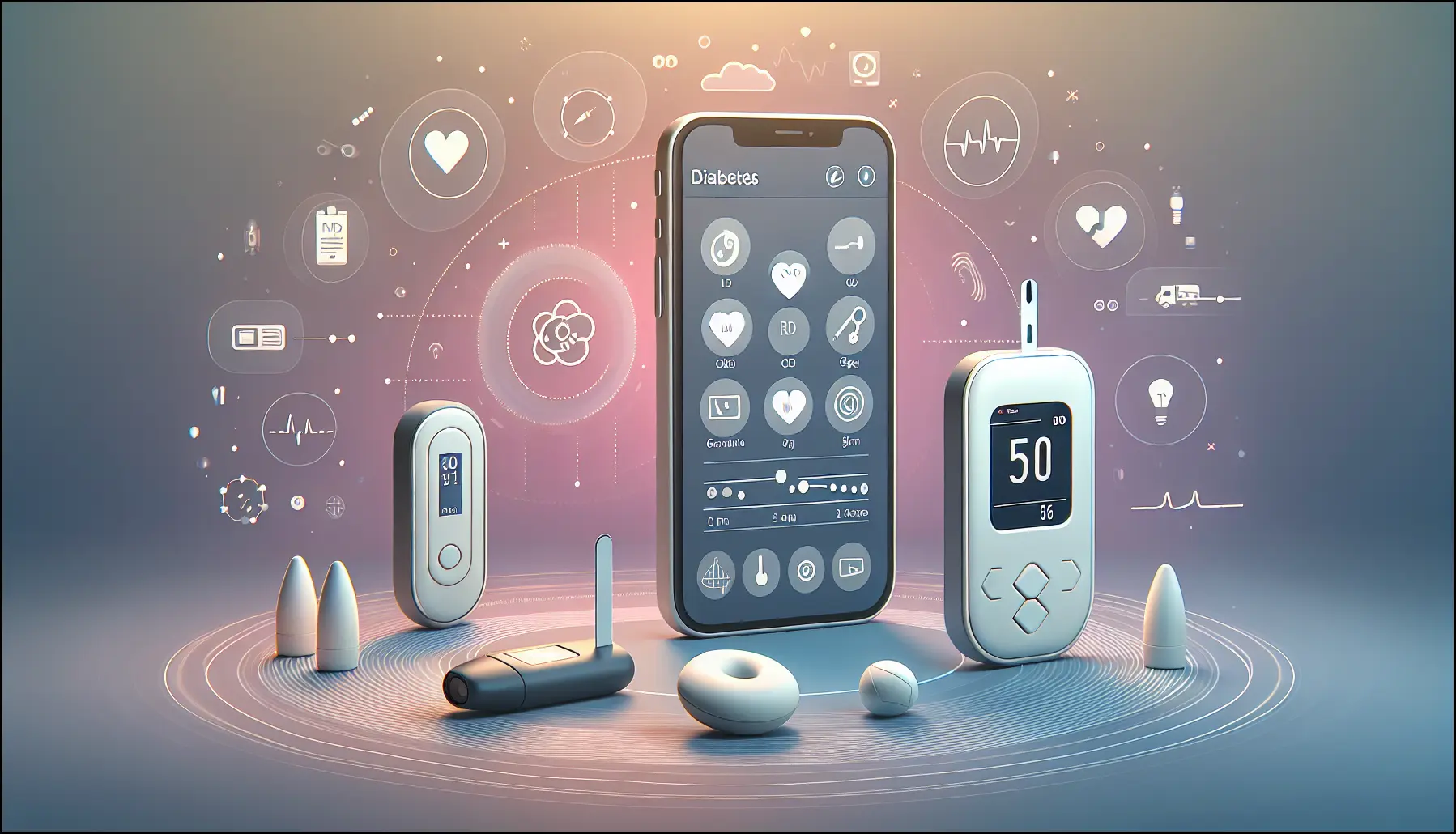
Understanding Diabetes Monitoring Options at Home
Explore the main tools seniors use to monitor diabetes at home and how each works.
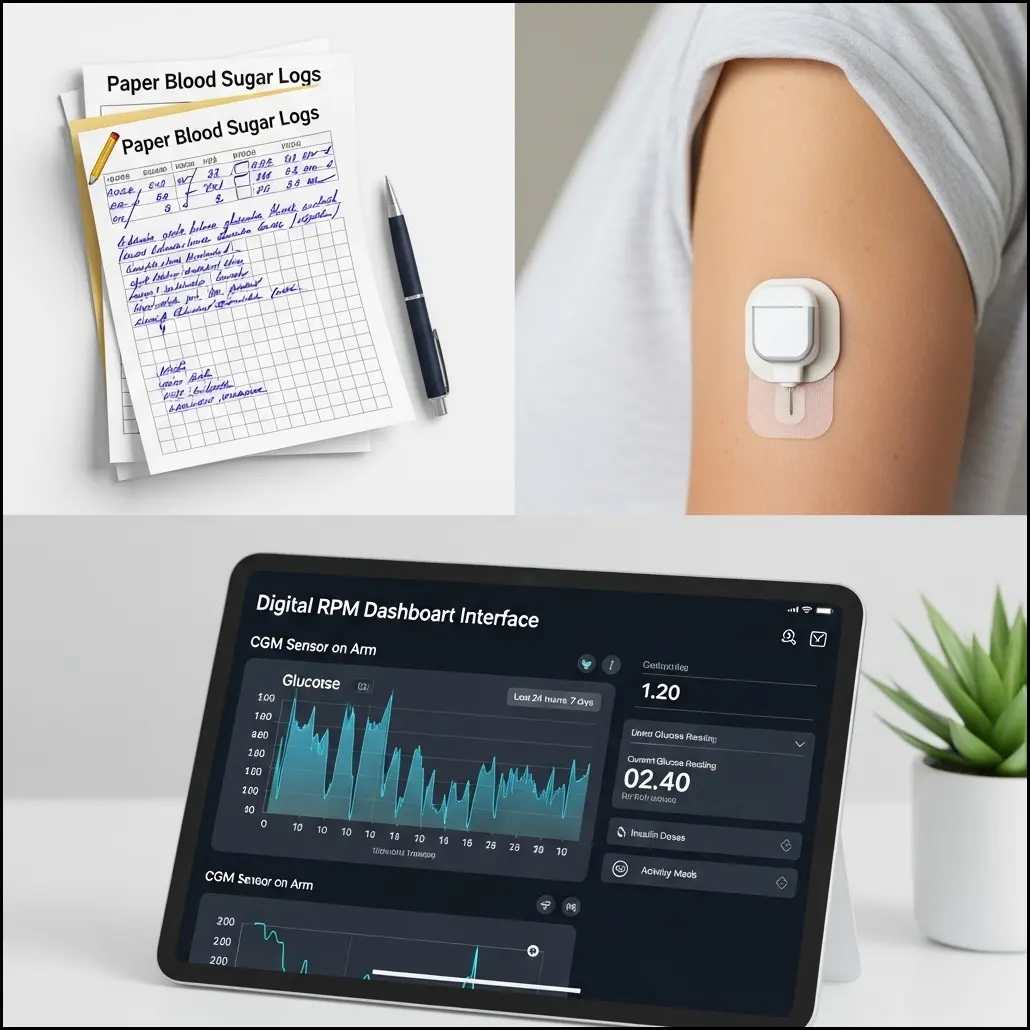
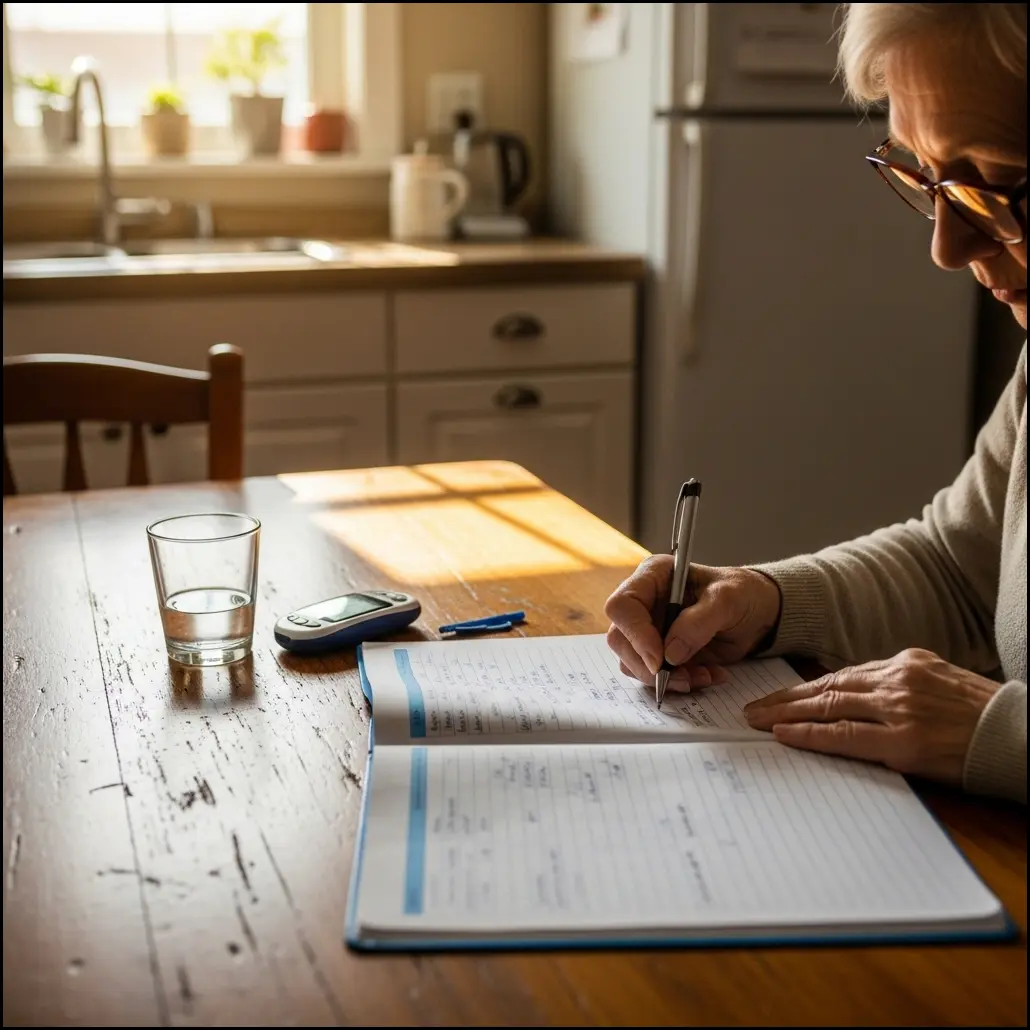
- Daily logs involve manually recording blood sugar readings, food intake, and medications.
- Continuous Glucose Monitors (CGM) provide real-time glucose levels through a wearable sensor.
- Remote Patient Monitoring (RPM) systems automatically send data to healthcare providers.
- Each method offers different levels of convenience, accuracy, and data sharing capabilities.
- Choosing the right method depends on health goals, lifestyle, and support needs.
For an easy guide to getting started with RPM at home, visit
this resource from VitalGuard.
Comparison of Diabetes Monitoring Methods for Seniors
A side-by-side view of features, pros, cons, and typical costs for Daily Logs, CGM, and RPM to help seniors and caregivers decide.
| Feature | Daily Logs | Continuous Glucose Monitoring (CGM) | Remote Patient Monitoring (RPM) |
|---|---|---|---|
| How It Works | Manual recording of blood sugar and lifestyle events | Sensor measures glucose levels every few minutes automatically | Automated data transmission to health providers with alerts |
| Ease of Use | Low tech; requires discipline to log accurately | Moderate; sensor application and smartphone needed | Moderate to high; requires device setup and connectivity |
| Data Accuracy | Depends on frequency and accuracy of manual readings | High frequency continuous data with alerts | High; combines device accuracy with healthcare oversight |
| Caregiver Involvement | Limited unless shared manually | Can share data remotely but requires tech skills | Designed for easy data sharing and alerts |
| Typical Cost | Low; only glucose meter and supplies (~$20-$50 monthly) | Moderate to high; device and sensors ($50-$200/month), insurance varies | Variable; device may be covered by Medicare, may involve monthly fees |
| Medicare Coverage | Not typically covered | Covered for some under Medicare Part B with prescriptions | Covered under Medicare Part B for eligible chronic conditions |
Cost estimates are approximate (USD/month); Medicare coverage depends on eligibility and plan rules. References:
CDC Diabetes Monitoring,
FDA on CGMs,
Medicare.gov RPM Coverage
Benefits and Challenges of Daily Logs for Seniors
Discover the pros and cons of managing diabetes with daily logs for seniors and caregivers.
- Daily logs promote personal engagement and awareness of blood sugar patterns.
- They require discipline but no special equipment besides a glucose meter and notebook.
- Mistakes or missed entries can limit usefulness to healthcare providers.
- Not ideal for immediate alerts or remote monitoring by caregivers.
- Affordable and accessible for seniors comfortable with pen and paper.
For more tips on home health logging and tracking, see
VitalGuard’s home care blog.
How Continuous Glucose Monitoring (CGM) Works
Learn how CGM devices provide ongoing glucose tracking and what that means for health.
- CGMs measure glucose levels continuously through a small sensor under the skin.
- They send data to a smartphone or receiver for real-time monitoring.
- Alerts notify users of high or low glucose, aiding prevention of dangerous swings.
- CGM data can be shared with caregivers or doctors but may require tech familiarity.
- Costs and insurance coverage vary and may affect accessibility for seniors.
Learn about technology requirements for RPM and CGM at
this VitalGuard guide.
Remote Patient Monitoring (RPM): A Connected Approach
Explore how RPM combines technology and healthcare to monitor diabetes remotely.
- RPM devices automatically send glucose data directly to healthcare teams.
- Caregivers and family can gain peace of mind through shared access to readings.
- RPM may include coaching and timely interventions based on data trends.
- Often covered by Medicare for eligible seniors, potentially reducing out-of-pocket costs.
- Requires setup of devices and Internet or cellular connectivity in the home.
For more on how RPM supports families, see
this guide on family caregiver access to RPM
.
Medicare Coverage and Cost Considerations for Diabetes Monitoring
Understand Medicare options and cost factors for diabetes monitoring tools and services.
- Medicare Part B covers RPM devices for eligible beneficiaries with chronic conditions like diabetes.
- Coverage may include devices, data transmission, and related clinical services.
- Continuous Glucose Monitors may also be covered under certain plans with prescriptions.
- Seniors should verify with Medicare and providers about specific device eligibility.
- Cost-sharing, copays, and supplemental insurance can affect overall expenses.
Need more info on insurance and out-of-pocket costs? Visit
our detailed Medicare RPM coverage guide
.
Choosing the Best Diabetes Monitoring Method for You
Practical tips to match your health needs, tech comfort, and support system with diabetes monitoring.
- Assess your daily routine, comfort with technology, and willingness to track readings.
- Discuss options with your healthcare provider to align tools with your care plan.
- Consider combining methods, like CGM with RPM, for enhanced monitoring and support.
- Review insurance coverage and costs before committing to devices or services.
- Involve family or caregivers for assistance, especially when technology is used.
Your doctor or
VitalGuard support team
can help you make an informed choice that fits your needs.
Frequently Asked Questions about Diabetes Monitoring at Home
- What is the difference between RPM and CGM for diabetes monitoring?
- Continuous Glucose Monitors (CGMs) measure glucose levels automatically through a sensor worn on the body and provide real-time data to the user. Remote Patient Monitoring (RPM) includes devices that not only collect data like glucose readings but also automatically send this information to healthcare providers for ongoing review and possible intervention. RPM may use CGM data but involves a connected system with healthcare oversight.
- Does Medicare cover glucose monitoring devices and RPM services?
- Medicare Part B generally covers certain glucose monitors, including some CGM devices, when prescribed by a doctor for patients with diabetes. RPM services may also be covered for beneficiaries with chronic conditions, including diabetes, when ordered by a healthcare provider. Coverage details vary, so seniors should check their specific Medicare plan and consult with their healthcare provider.
- Are daily logs still useful compared to high-tech options?
- Yes, daily logs remain a useful and affordable way to track blood sugar levels, meals, and medications, especially for seniors who prefer low-tech approaches. They encourage personal involvement in diabetes management. However, logs rely on consistent and accurate record-keeping and do not provide automatic alerts or remote data sharing.
- How do I know which monitoring method is best for me or my senior family member?
- Consider factors like lifestyle, technology comfort, need for support from caregivers or healthcare providers, and insurance coverage. Talking with a healthcare provider can help identify the best fit. Some seniors benefit from combining methods, such as using a CGM along with RPM services for comprehensive monitoring.
- Can remote patient monitoring help reduce hospital visits for seniors with diabetes?
- RPM can help healthcare providers detect changes in blood sugar trends early, allowing for timely intervention that may prevent emergencies and hospital visits. By continuously and remotely monitoring glucose, RPM systems can support better management of diabetes complications.
- What technology do I need at home to use RPM or CGM devices?
- For CGMs, a smartphone or dedicated receiver may be required to view data. RPM systems usually need a device capable of transmitting data via cellular or home internet connections. Some seniors may need assistance setting up or managing these technologies, and VitalGuard offers resources to help.
- Are CGM sensors painful or hard to wear?
- Most CGM sensors are small and placed just under the skin with an applicator. Many seniors find them comfortable and forget they are wearing one after some time. It’s a simple procedure, but individual experiences may vary.