
As healthcare continues to evolve with technology, remote patient monitoring (RPM) has emerged as a transformative approach, especially for seniors. This innovative method allows healthcare providers to track patients’ health data from a distance, offering timely interventions and improving overall care. By 2025, it’s estimated that around 71 million Americans will be using some form of remote patient monitoring service, highlighting its rapid adoption and growing importance in modern healthcare according to Astute Analytica.
| Aspect | Details |
|---|---|
| Adoption Rate | 71 million Americans by 2025 |
| Key Benefits | Improved outcomes, reduced costs, increased independence |
| Challenges | Technology barriers, internet access |
For seniors, RPM offers a unique blend of safety, convenience, and enhanced health management, making it a crucial tool in managing chronic conditions and reducing hospital visits. This article explores what RPM is, how it works, and why it’s becoming a cornerstone of senior healthcare.
Understanding Remote Patient Monitoring
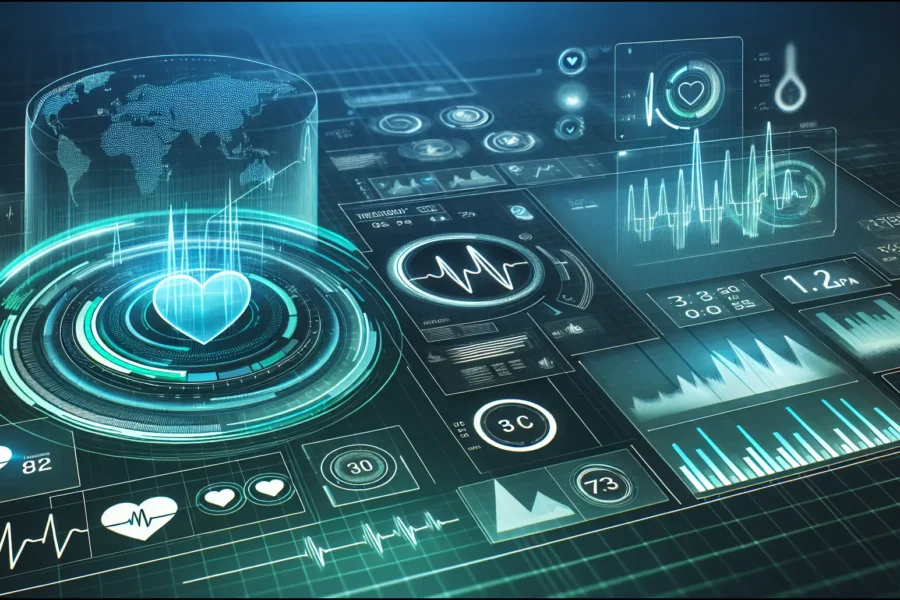
Remote Patient Monitoring involves the use of digital technologies to collect health data from individuals in one location and electronically transmit that information securely to healthcare providers in a different location for assessment and recommendations. This setup allows continuous monitoring of vital signs such as blood pressure, heart rate, glucose levels, and oxygen saturation without the need for frequent in-person visits.
For seniors, many of whom manage multiple chronic conditions, RPM offers a way to maintain independence while ensuring close medical supervision. Devices connected through the Internet of Things (IoT) enable seamless data flow, making it easier for doctors and nurses to track health trends and intervene promptly if necessary. As Paul Viskovich, CEO of Healthfully, emphasizes, “Remote patient monitoring devices that are connected via the Internet of Things (IoT) are the future” according to Tenovi.
The benefits of Remote Patient Monitoring extend beyond just convenience; they also include improved patient outcomes and reduced healthcare costs. By allowing healthcare providers to receive real-time data, RPM can lead to early detection of potential health issues, which can significantly decrease the likelihood of hospitalizations. For instance, a patient with heart disease can be monitored for irregular heartbeats or sudden changes in blood pressure, enabling timely interventions that may prevent serious complications. This proactive approach not only enhances the quality of care but also fosters a stronger patient-provider relationship, as patients feel more engaged and supported in their health management.
Moreover, the integration of artificial intelligence and machine learning into RPM systems is paving the way for even more sophisticated monitoring solutions. These technologies can analyze vast amounts of data to identify patterns and predict health risks, allowing for personalized care plans tailored to individual needs. For example, a diabetic patient could receive alerts and recommendations based on their glucose readings, helping them make informed decisions about their diet and medication. As the healthcare landscape continues to evolve, the role of RPM will undoubtedly expand, making it an essential component of modern healthcare delivery.
How RPM Works for Seniors
RPM systems typically include wearable sensors, mobile apps, and communication platforms that gather and transmit data. Seniors might wear devices like smartwatches, glucose monitors, or blood pressure cuffs that automatically send readings to a centralized platform monitored by healthcare professionals.
When abnormal readings are detected, alerts can be sent to caregivers or medical staff, enabling quick responses that can prevent complications. This proactive approach not only improves patient safety but also enhances the efficiency of healthcare delivery. For example, the HealthCast™ intelligent monitoring system demonstrated a 43.11% increase in nurse efficiency and an 89% improvement in overall patient safety during 2024 clinical studies according to TNNMC.
Moreover, RPM can significantly reduce hospital stays. A 2024 study found that only 6% of patients monitored remotely required hospitalization compared to 35% of those without monitoring, underscoring the system’s effectiveness in early detection and intervention as reported by TNNMC.
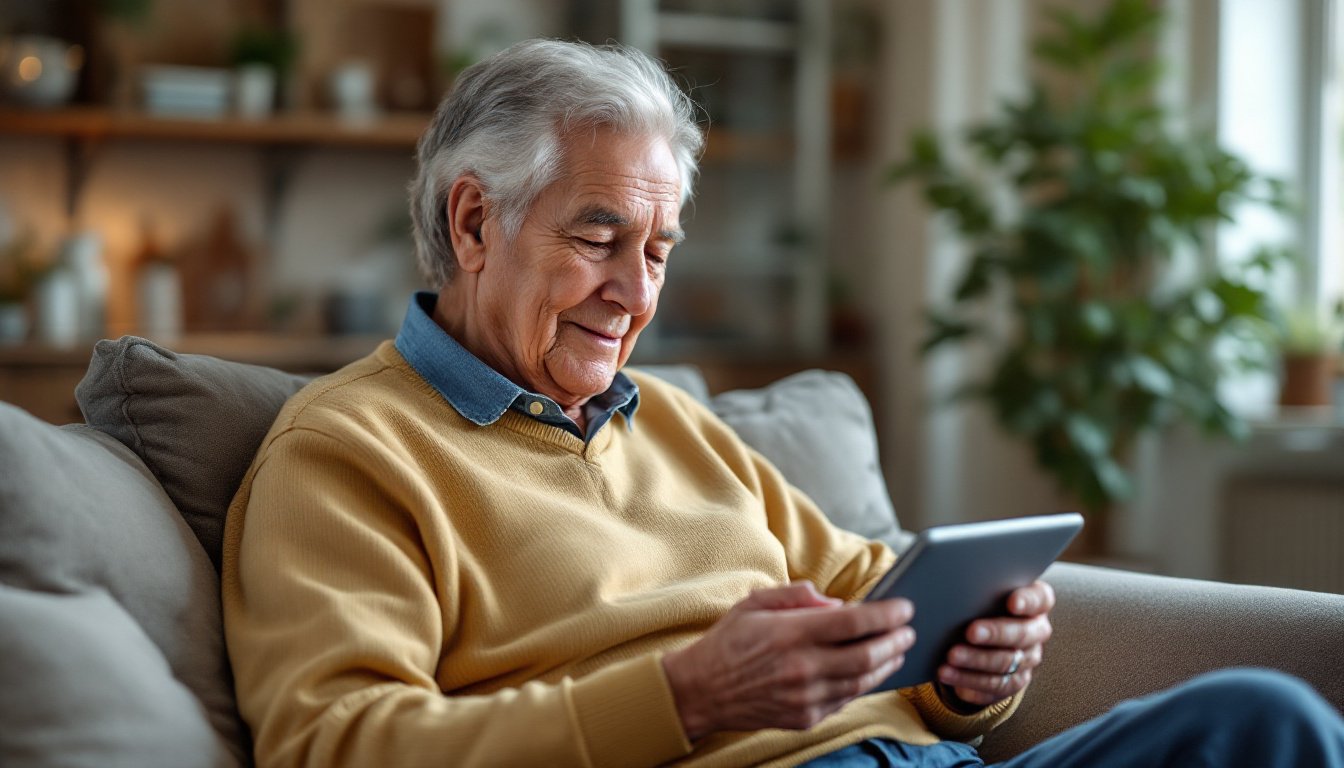
In addition to these benefits, RPM systems also foster a greater sense of independence among seniors. By enabling them to manage their health from the comfort of their homes, these technologies empower older adults to take an active role in their healthcare. This shift not only enhances their quality of life but also alleviates the burden on family members who may otherwise need to provide constant oversight. With user-friendly interfaces and customizable alerts, seniors can stay informed about their health status without feeling overwhelmed.
Furthermore, the integration of RPM with telehealth services has revolutionized how seniors access medical care. Virtual consultations can be scheduled based on real-time data from RPM devices, allowing healthcare providers to make informed decisions quickly. This seamless connection between monitoring and medical advice ensures that seniors receive timely interventions and follow-ups, which is particularly crucial for managing chronic conditions like diabetes or heart disease. As technology continues to evolve, the potential for RPM to enhance senior care will only grow, leading to a more connected and responsive healthcare environment.
Benefits of RPM for Seniors and Healthcare Systems
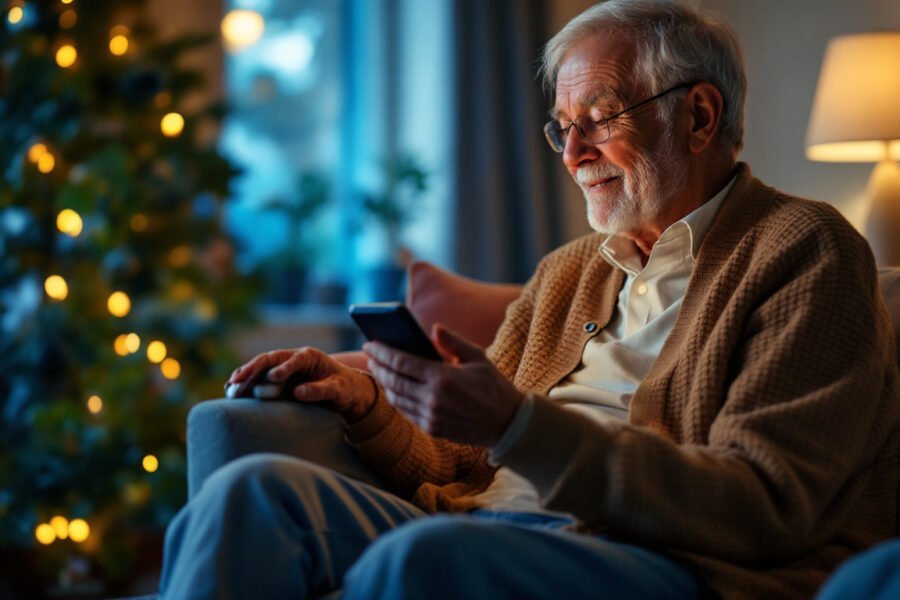
The advantages of RPM extend beyond individual patient care to impact the broader healthcare system positively. For seniors, RPM offers peace of mind, enabling them to live independently while staying connected to their healthcare providers. It also reduces the need for frequent clinic visits, which can be challenging for those with mobility issues or living in remote areas. Moreover, RPM empowers seniors by giving them access to their health data, allowing them to take a more active role in managing their conditions. This engagement can lead to improved health outcomes, as patients become more informed and motivated to adhere to their treatment plans.
From a systemic perspective, RPM has the potential to lower healthcare costs significantly. A report by the Center for Technology and Aging estimates that widespread adoption of remote patient monitoring technologies could reduce U.S. healthcare expenditures by nearly $200 billion over the next 25 years according to Fierce Healthcare. By shifting the focus from reactive to proactive care, RPM can help identify potential health issues before they escalate, ultimately leading to fewer emergency room visits and hospitalizations. This proactive approach not only benefits patients but also alleviates the burden on healthcare providers and facilities, allowing them to allocate resources more efficiently.
Additionally, RPM programs have proven effective in reducing hospital readmissions, a critical metric for healthcare quality and cost control. The University of Pittsburgh Medical Center, for instance, achieved a 76% reduction in hospital readmission penalties while maintaining patient satisfaction scores above 90% through RPM implementation according to eMarketer. This balance of cost savings and high patient satisfaction highlights RPM’s value proposition. Furthermore, the integration of RPM with electronic health records (EHR) allows for seamless data sharing among healthcare providers, enhancing collaborative care. This interconnectedness not only streamlines the care process but also fosters a more holistic view of a patient’s health, leading to better-informed clinical decisions and personalized treatment strategies.
Real-World Applications and Success Stories
Several healthcare organizations have successfully integrated RPM into their care models, particularly for seniors. During the COVID-19 pandemic, the Department of Veterans Affairs’ Care Coordination/Home Telehealth program notably reduced hospital readmissions and improved patient outcomes by leveraging remote monitoring technologies as documented by the American Hospital Association.
Such programs demonstrate how RPM can be a lifeline for seniors managing chronic illnesses or recovering from acute conditions. Continuous monitoring allows healthcare providers to tailor interventions based on real-time data, reducing emergency visits and improving quality of life.
Furthermore, advancements in intelligent monitoring systems, like HealthCast™, showcase how technology is enhancing nurse workflows and patient safety simultaneously. These innovations are setting new standards for care delivery and patient engagement.
Challenges and Considerations for Seniors Using RPM
While RPM offers numerous benefits, there are challenges that seniors and caregivers should consider. Technology adoption can be a barrier for some older adults, especially those unfamiliar with digital devices. Ensuring user-friendly interfaces and providing adequate training are essential for successful implementation.
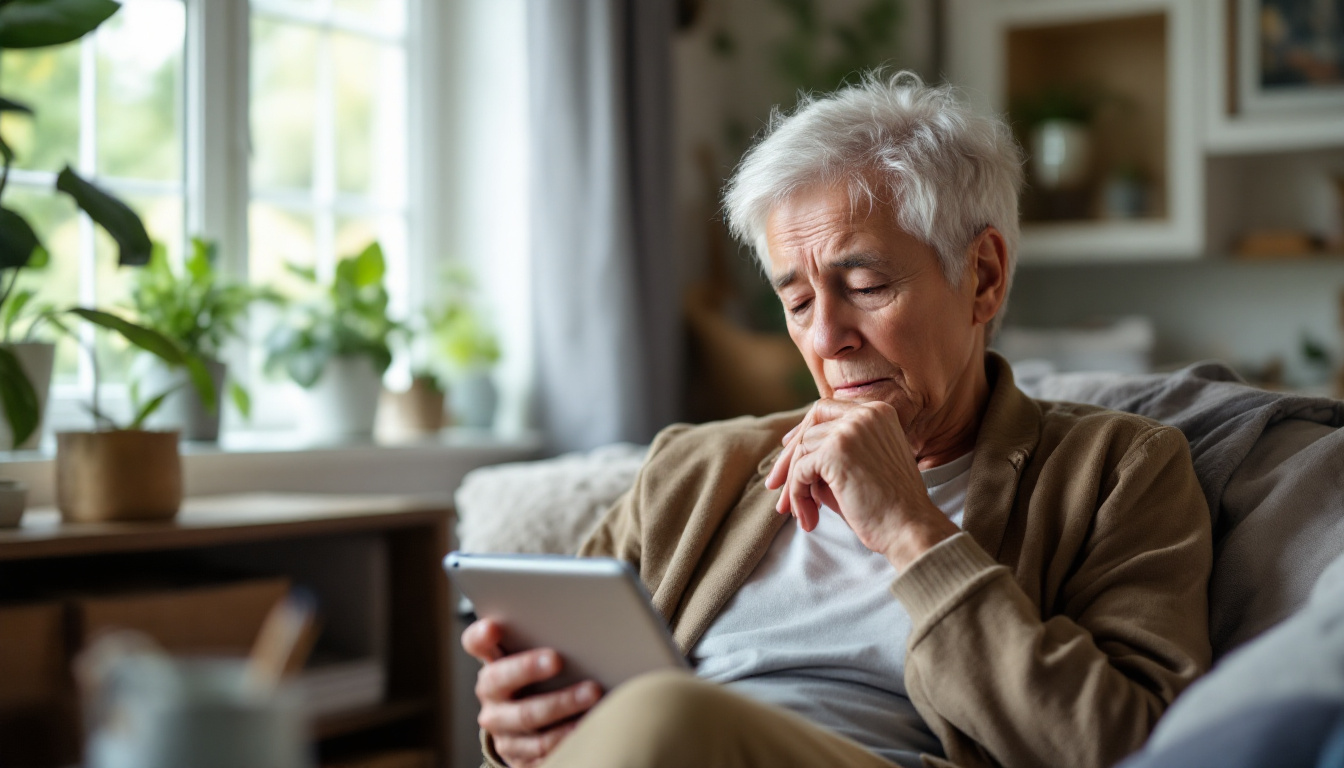
Privacy and data security are also critical concerns. Healthcare providers and technology companies must adhere to strict regulations to protect sensitive health information. Seniors and their families should inquire about data protection measures when choosing RPM services.
Lastly, access to reliable internet connectivity is necessary for RPM to function effectively. Rural or underserved areas may face obstacles in this regard, which healthcare systems must address to ensure equitable access.
The Future of RPM in Senior Care
Remote patient monitoring is poised to become an integral part of senior healthcare. With projections showing increasing adoption—over 30 million patients were already using RPM tools by 2024, up from 23 million in 2020 according to Joerns Healthcare—the trend is clear.
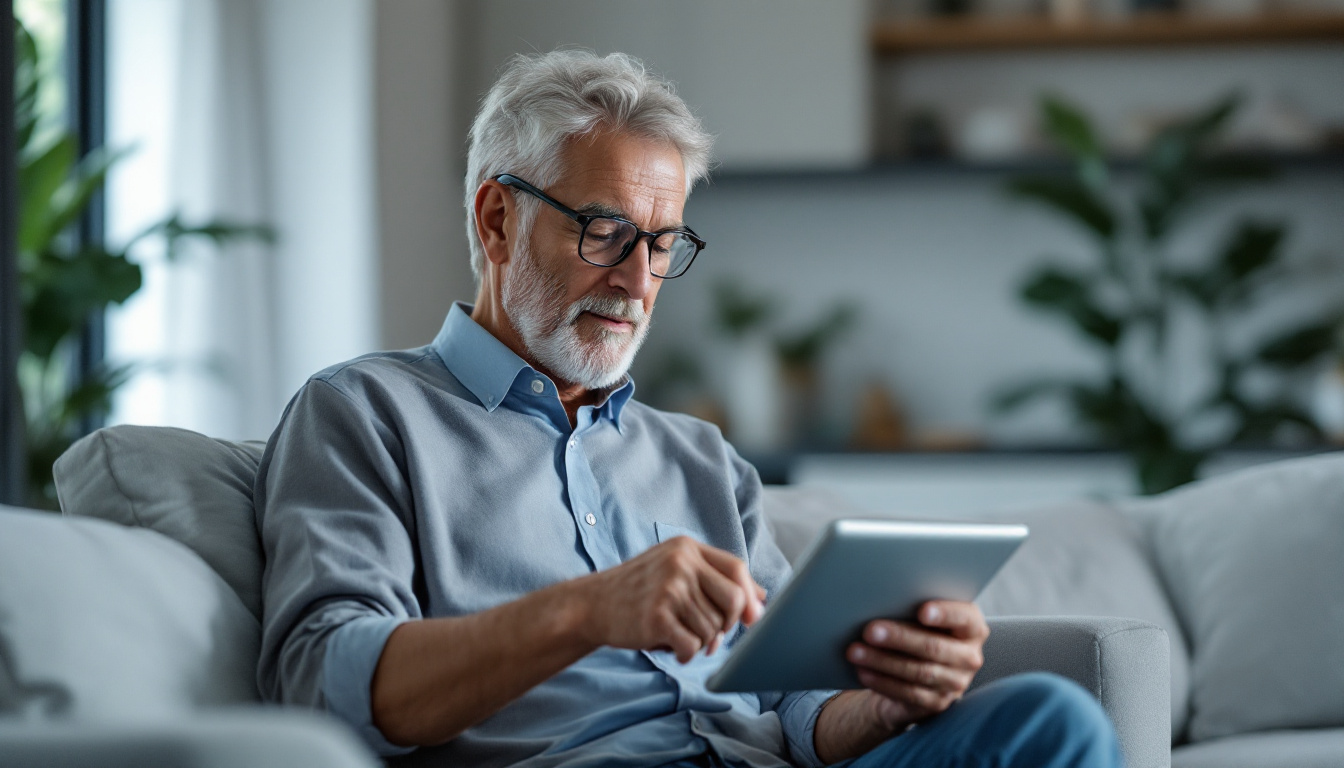
As technology advances, RPM devices will become more sophisticated, offering deeper insights into patient health and enabling personalized care plans. Integration with artificial intelligence and machine learning could further enhance predictive capabilities, allowing even earlier interventions.
Healthcare providers, policymakers, and technology developers will need to collaborate to overcome current challenges and expand RPM’s reach. The ultimate goal is to improve health outcomes, reduce costs, and empower seniors to live healthier, more independent lives.
In conclusion, remote patient monitoring represents a significant leap forward in senior healthcare. By combining technology with compassionate care, RPM is redefining how seniors manage their health, offering safety, convenience, and improved quality of life. As adoption grows, it will undoubtedly play a critical role in shaping the future of healthcare delivery for older adults.
Comparison of RPM Benefits and Challenges
| Benefits | Challenges |
|---|---|
| Improved patient outcomes | Technology adoption barriers |
| Reduced healthcare costs | Privacy and data security concerns |
| Increased independence for seniors | Need for reliable internet connectivity |
| Enhanced patient-provider relationships | Potential for technology overwhelm |
Frequently Asked Questions (FAQ)
- What is Remote Patient Monitoring (RPM)? RPM is a healthcare method that uses technology to monitor patients’ health data remotely, allowing for timely interventions and improved care.
- How does RPM benefit seniors? RPM offers seniors increased independence, improved health management, and reduced hospital visits by enabling continuous health monitoring from home.
- What are the challenges of using RPM for seniors? Challenges include technology adoption barriers, privacy concerns, and the need for reliable internet connectivity.
- How does RPM integrate with telehealth services? RPM devices provide real-time data that can be used in virtual consultations, allowing healthcare providers to make informed decisions quickly.
- Is RPM secure? Yes, RPM systems adhere to strict regulations to protect sensitive health information, ensuring data privacy and security.
- What is the future of RPM in senior care? RPM is expected to become more sophisticated with advancements in AI and machine learning, offering deeper insights and personalized care plans.